

Nutrition • Immune Health • Family Wellness
Shiitake Mushrooms and Everyday Immune Health
A look at what's actually known — and not yet known — about shiitake mushrooms and immune health, based on nutrient composition and the current state of research.
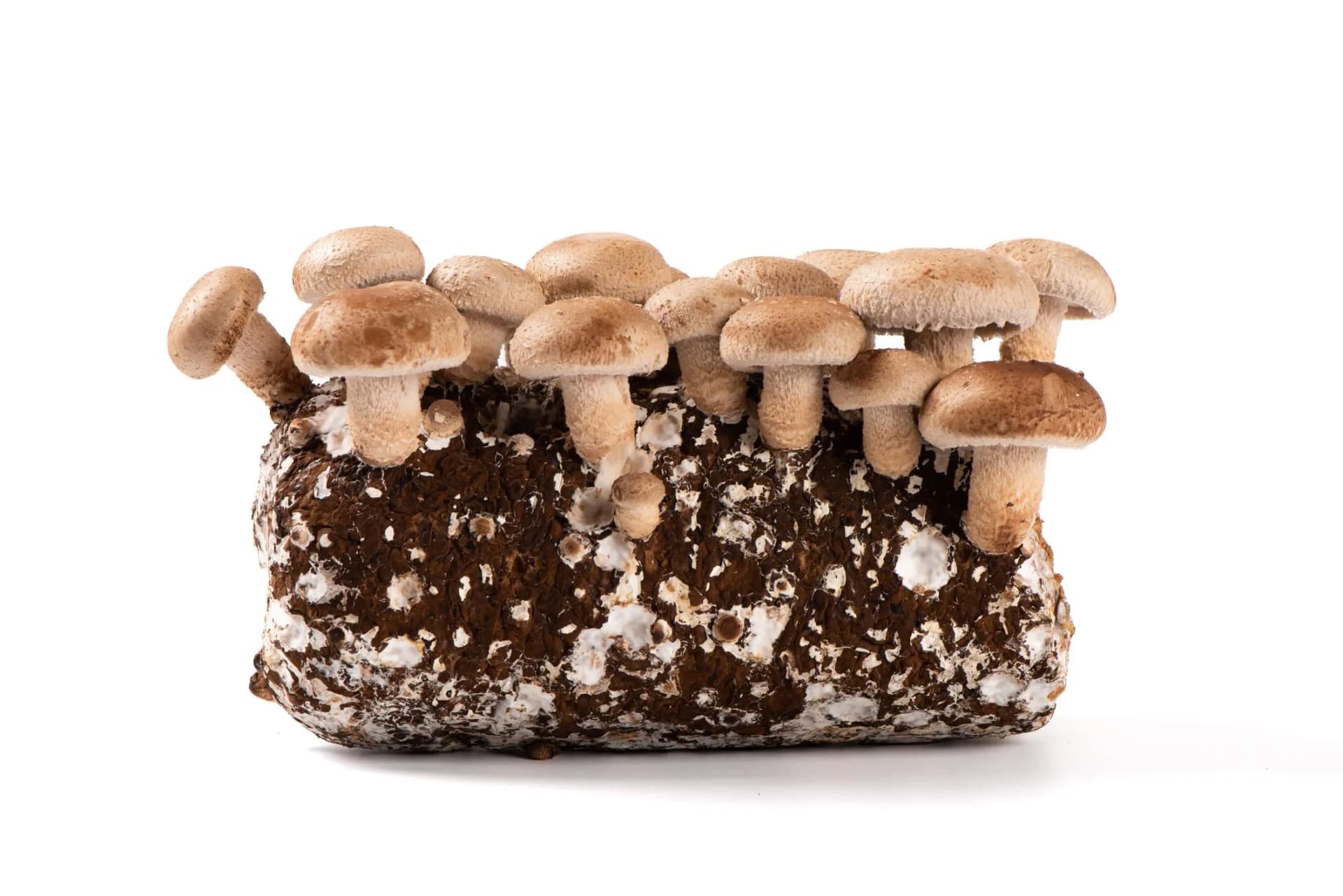
This information is educational and general in nature. It is not medical advice and is not a substitute for diagnosis, treatment, or guidance from a qualified healthcare professional. Always talk to a doctor or registered dietitian about your specific health needs, especially before making changes for children, during pregnancy, or alongside a medical condition or medication.
Overview
The immune system is supported by many factors working together — overall diet quality, sleep, physical activity, and stress levels among them. No single food replaces this. Shiitake mushrooms are a low-fat, low-calorie food that contributes B vitamins, minerals, and dietary fiber to an overall balanced diet, and they contain compounds — including a polysaccharide called lentinan — that have been studied in laboratory and some clinical settings, mainly outside general consumer nutrition.
Nutrition
| Nutrient | Amount (Per 100 g, raw) |
|---|---|
| Calories | ~34 kcal |
| Protein | ~2.2 g |
| Dietary fiber | ~2.5 g |
| Total fat | ~0.5 g |
| Riboflavin (B2) | ~0.22 mg |
| Pantothenic acid (B5) | ~1.5 mg |
| Vitamin B6 | ~0.29 mg |
| Selenium | ~5.7 mcg |
| Copper | ~0.16 mg |
Vitamin D in shiitake mushrooms is naturally low unless the mushrooms have been deliberately exposed to UV light or sunlight during growing or drying — a process that can meaningfully raise vitamin D2 content. Values here reflect mushrooms without that treatment.
Potential Benefits
Each item below is labeled with how strong the underlying evidence actually is.
B vitamins and minerals support normal energy metabolism
Shiitake mushrooms contribute riboflavin, pantothenic acid, vitamin B6, copper, and selenium — nutrients with well-established roles in normal energy metabolism and cell function as part of an overall balanced diet.
Lentinan and beta-glucans are an active research area
Shiitake mushrooms contain lentinan and other beta-glucan compounds that have been studied for their effects on immune cell activity, mainly in laboratory and animal research. This does not mean eating shiitake mushrooms produces the same effect in the human body, and it is not a substitute for medical treatment of any condition.
A long history of use in East Asian cuisine
Shiitake mushrooms have been used in East Asian cooking and traditional food practices for centuries. Traditional use reflects culinary and cultural history, not clinical evidence of a specific health effect.
Who May Need Special Consideration
Children, older adults, pregnant or breastfeeding individuals, and people managing a medical condition or taking medication should get personalized dietary guidance from a qualified healthcare professional or registered dietitian rather than relying on general information like this.
Safety Information
- Mushroom allergies exist — introduce shiitake mushrooms to children in small amounts and watch for any reaction, as with any new food.
- Cook shiitake mushrooms thoroughly; raw shiitake can cause a temporary skin reaction (shiitake dermatitis) in some people.
- This content does not diagnose, treat, cure, or prevent any disease, and it is not a reason to delay or stop any medical treatment.
Sources
- USDA FoodData Central (opens in a new tab)Government / regulatory database — Raw shiitake mushroom, per 100 g (Food ID 169242)
- ICMR–National Institute of Nutrition, India (opens in a new tab)Public health institute — General reference for Indian dietary guidelines
Last reviewed 1 September 2026 · Sources reviewed and linked below