

Nutrition • Heart Health • Balanced Living
Nutrition for Heart Health
Practical nutrition habits and mushroom-based foods that can complement a balanced, heart-conscious lifestyle — grounded in what's actually in the food, not a guarantee.
This information is educational and general in nature. It is not medical advice and is not a substitute for diagnosis, treatment, or guidance from a qualified healthcare professional. Always talk to a doctor or registered dietitian about your specific health needs, especially before making changes for children, during pregnancy, or alongside a medical condition or medication.
Overview
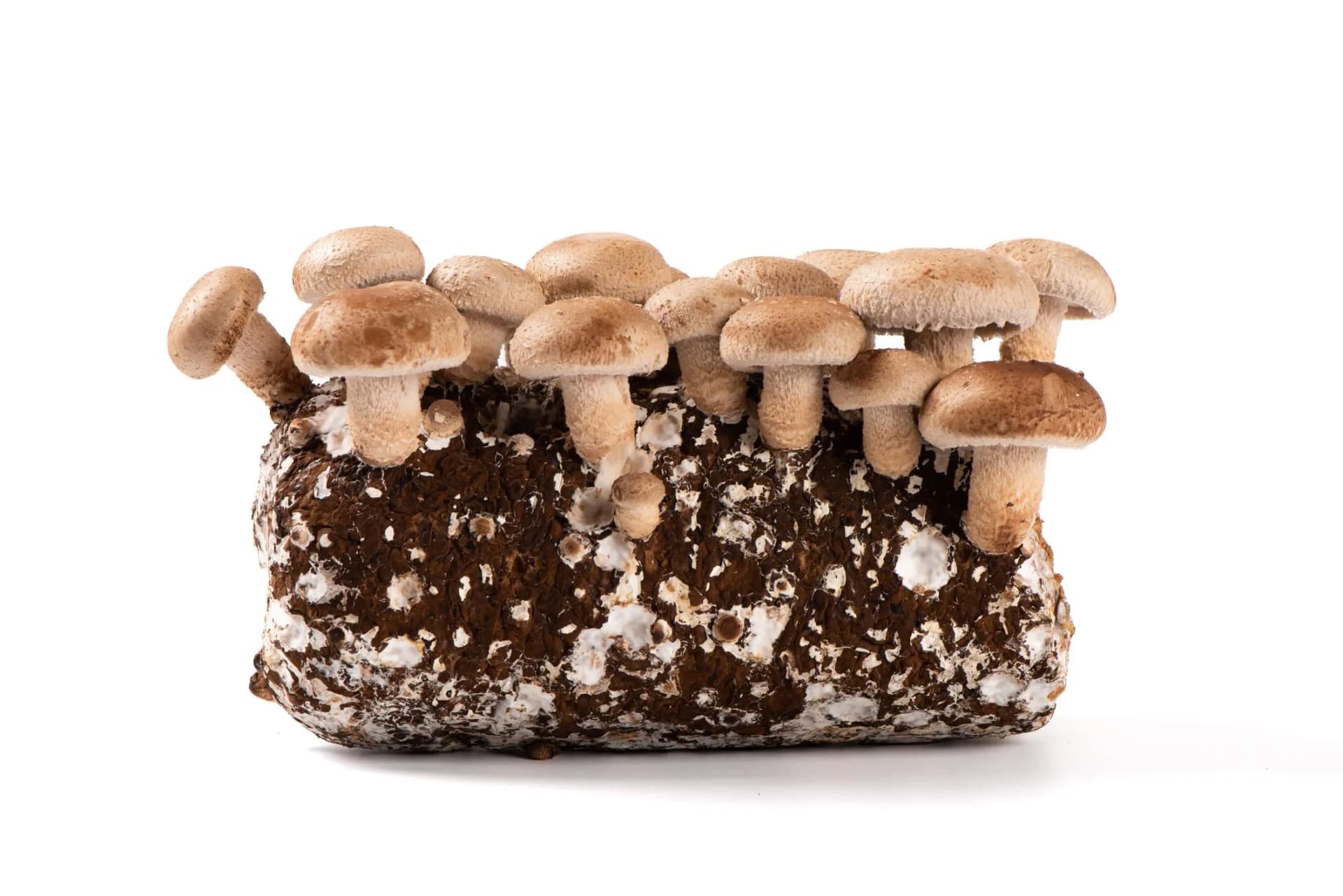
Heart health is shaped by many factors together — overall dietary pattern, physical activity, sleep, stress, smoking status, and, for some people, genetics and medical treatment. Shiitake mushrooms are naturally low in saturated fat and sodium and contain dietary fiber and potassium, nutrients commonly discussed in the context of a heart-conscious diet such as the DASH or Mediterranean-style eating patterns. Including mushrooms as a swap for higher-fat ingredients in some dishes is one small, practical habit — not a treatment for any heart condition.
Nutrition
| Nutrient | Amount (Per 100 g, raw shiitake) |
|---|---|
| Calories | ~34 kcal |
| Total fat | ~0.5 g |
| Sodium | ~9 mg |
| Dietary fiber | ~2.5 g |
| Potassium | ~304 mg |
| Copper | ~0.16 mg |
Shiitake mushrooms are naturally low in sodium and saturated fat as grown — added sodium/fat from cooking (butter, salt, sauces) is not reflected in these raw-ingredient values.
Potential Benefits
Each item below is labeled with how strong the underlying evidence actually is.
Naturally low in saturated fat and sodium
As a whole food, shiitake mushrooms are naturally low in saturated fat and sodium — attributes commonly recommended as part of a heart-conscious eating pattern, based on standard food-composition data.
A fiber and potassium source within a varied diet
Dietary fiber and potassium, both present in shiitake mushrooms, are nutrients that public health guidance links to cardiovascular wellness as part of an overall dietary pattern — not from any single food in isolation.
A savory, lower-fat alternative in some recipes
Mushrooms are traditionally used to add umami depth to dishes, which some home cooks use to reduce reliance on added fat or salt for flavor. This is a culinary practice, not a clinical claim.
Who May Need Special Consideration
Anyone with a diagnosed heart condition, high blood pressure, or who is on blood thinners or other cardiac medication should talk to their doctor or a registered dietitian before making significant dietary changes — some medications interact with specific nutrients.
Safety Information
- This content is not a substitute for cardiac care, medication, or a doctor-prescribed diet plan.
- Cook mushrooms thoroughly before eating.
- If you experience chest pain, shortness of breath, or other concerning symptoms, seek medical attention promptly rather than relying on dietary information.
Sources
- USDA FoodData Central (opens in a new tab)Government / regulatory database — Raw shiitake mushroom, per 100 g (Food ID 169242)
- ICMR–National Institute of Nutrition, India (opens in a new tab)Public health institute — General reference for Indian dietary guidelines
Last reviewed 15 September 2026 · Sources reviewed and linked below