

Nutrition • Everyday Meals • Practical Habits
Simple Ways to Eat Better
Easy, realistic ways to include nutrient-rich mushrooms in everyday meals for a more balanced and varied diet — no special equipment or diet plan required.
This information is educational and general in nature. It is not medical advice and is not a substitute for diagnosis, treatment, or guidance from a qualified healthcare professional. Always talk to a doctor or registered dietitian about your specific health needs, especially before making changes for children, during pregnancy, or alongside a medical condition or medication.
Overview
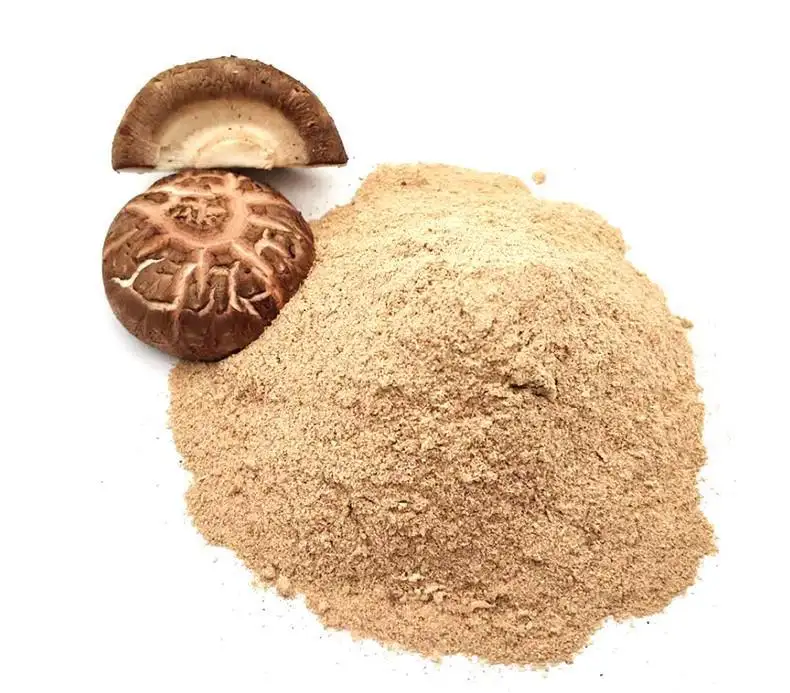
Improving everyday nutrition doesn't require an elaborate plan — small, repeatable habits like adding a vegetable or mushroom to an existing dish, choosing whole grains more often, or keeping a shelf-stable ingredient like dried or powdered shiitake mushroom on hand for busy days can add up over time. Shiitake mushrooms (fresh, dried, or as a powder) provide protein, fiber, vitamins, and minerals, and their savory flavor makes them an easy addition to soups, stir-fries, rice, and sauces without needing a specific recipe.
Nutrition
| Nutrient | Amount (Per 100 g, raw shiitake) |
|---|---|
| Calories | ~34 kcal |
| Protein | ~2.2 g |
| Total carbohydrate | ~6.8 g |
| Dietary fiber | ~2.5 g |
| Vitamin B6 | ~0.29 mg |
| Copper | ~0.16 mg |
Dried and powdered shiitake are more concentrated by weight than fresh (most of the water is removed) — a small amount of powder added to a dish contributes proportionally more of these nutrients per gram than the same weight of fresh mushroom.
Potential Benefits
Each item below is labeled with how strong the underlying evidence actually is.
An easy, low-effort way to add nutrients to existing meals
Shiitake mushrooms contribute protein, fiber, B vitamins, and minerals to a dish without requiring a new recipe or special preparation — fresh, dried, or powdered forms can all be added to meals already in a household's rotation.
Shelf-stable forms support consistency
Dried mushrooms and mushroom powder have a long shelf life compared to fresh produce, which can make it easier to consistently include them in meals rather than relying on remembering to buy fresh mushrooms each week.
A traditional way to boost flavor without extra salt or fat
Shiitake's savory (umami) flavor has traditionally been used to make simple dishes more satisfying, which some people find helpful when trying to eat more vegetables or reduce reliance on salt and fat for flavor.
Who May Need Special Consideration
People with specific dietary restrictions, medical conditions, or on medications that interact with food should check with a registered dietitian or doctor before making significant changes to their regular diet.
Safety Information
- Rehydrate dried mushrooms fully and cook thoroughly before eating.
- As with any food, introduce new ingredients gradually and watch for allergic reactions.
- This content is general nutrition information and does not replace individualized dietary advice.
Sources
- USDA FoodData Central (opens in a new tab)Government / regulatory database — Raw shiitake mushroom, per 100 g (Food ID 169242)
- ICMR–National Institute of Nutrition, India (opens in a new tab)Public health institute — General reference for Indian dietary guidelines
Last reviewed 15 September 2026 · Sources reviewed and linked below